
Dopamine system recovery window
Contingency management — gold standard
Matrix Model structured protocol
Meth addiction causes profound changes in the brain and body, making recovery especially challenging without specialized care. Meth is characterized by pronounced neurobiological changes and devastating physical and psychological impacts that require comprehensive, evidence-based treatment that addresses both the acute crisis and long-term recovery.
You don't have to hit rock bottom to qualify for help. If two or more of these apply, an honest conversation costs nothing.
Binge-and-crash use patterns followed by days of sleeping
Anhedonia — inability to feel pleasure without the drug
Paranoia, hallucinations, or persistent psychotic symptoms
Severe weight loss, dental deterioration ('meth mouth'), skin sores
Memory loss, poor decision-making, impaired executive function
Cardiovascular issues, malnutrition, or compulsive picking
Meth is a potent central nervous system stimulant that floods synapses with dopamine at concentrations far above natural reward levels. That surge produces intense pleasure but also damages dopamine-producing neurons and receptors. Neuroimaging shows chronic use measurably reduces dopamine transporter density and receptor availability for months or years into abstinence — clinically experienced as anhedonia, which drives continued use to relieve the emotional flatness.
Beyond dopamine damage, meth is directly neurotoxic to serotonergic systems and produces gray-matter reductions in regions governing memory, emotional regulation, and decision-making. These changes show up as memory deficits, slower processing, compromised executive function, and impulse-control problems that complicate treatment itself — which is why effective programs adapt the care to the brain that’s actually in the room.

Hypertension, tachycardia, arrhythmias, and increased risk of stroke and heart attack — even among young adults.
Reduced salivary flow, grinding, poor hygiene, and acidic environments cause rapid decay. Compulsive picking creates sores and infections complicated by impaired wound healing.
Appetite suppression and binge cycles cause severe weight loss, immune dysfunction, and psychological destabilization.
Depression, anxiety, and PTSD are prevalent. Meth can induce paranoid delusions and hallucinations that persist past acute intoxication — requiring careful assessment to distinguish primary disorders from substance-induced symptoms.
Memory, attention, and executive-function deficits make following instructions, keeping appointments, and using relapse-prevention strategies harder — treatment must be adapted to this reality.
While no FDA-approved medications target meth use disorder, behavioral interventions are highly effective when properly implemented.
Tangible, escalating incentives for verified meth-free drug screens. Multiple randomized controlled trials show much higher abstinence rates than standard treatment alone — the single most effective behavioral intervention for stimulant use disorder.
A 16-week protocol developed specifically for stimulant addiction, integrating individual therapy, family education, drug testing, 12-step participation, and relapse prevention. Research shows marked reductions in meth use and improved retention.
Identifies triggers, builds refusal skills, and rewrites the thought patterns driving use — adapted with concrete language, written materials, and repetition to accommodate cognitive impairment.
Empathetic, collaborative work to resolve ambivalence and strengthen personal commitment to change without provoking the resistance confrontational approaches create.
No one-size-fits-all protocols. Your treatment plan blends the modalities below based on what's actually driving your symptoms.
Tangible, escalating rewards for verified meth-free drug screens — multiple RCTs show much higher abstinence than standard treatment alone.
A 16-week protocol developed specifically for stimulant use disorder, integrating individual therapy, family education, drug testing, 12-step support, and relapse prevention.
Identify triggers, build refusal skills, and rework thought patterns that drive use — adapted with concrete language and repetition to accommodate cognitive impairment.
Empathetic, non-confrontational work to resolve ambivalence and strengthen personal commitment to change without provoking resistance.
Treatment for stimulant-induced psychosis, depression, anxiety, and PTSD — accurately diagnosed once you're stable and integrated with addiction care.
Referrals for cardiovascular assessment, dental care, nutritional rehabilitation, and treatment of infections or wounds from active use.
Reaching out is the hardest step. Once you do, we take it from there.
Same-day confidential assessment and medical evaluation
Stabilization plan, psychiatric evaluation, and cognitive-accessible care plan
Weekly individual therapy, CM-based groups, and family education
Long-term continuing care, NA/CMA connection, and relapse prevention
Sessions avoid abstract concepts and lean on plain language so therapeutic content lands despite memory and processing limits.
Every verbal instruction is paired with written materials clients can revisit between sessions.
Key concepts are revisited across sessions and complex tasks broken into manageable steps to accommodate executive-function limits.
Loved ones learn that cognitive and emotional struggles stem from neurological damage — not willful behavior — and how to reinforce sobriety without enabling continued use.
Meth recovery requires extended engagement given the prolonged neurobiological healing timeline and severe psychological challenges of early abstinence.
Same-day assessment, medical evaluation, and immediate behavioral support to interrupt active use.
Multiple weekly sessions integrating CM, CBT, family education, drug testing, and 12-step connection.
Step-down to weekly therapy as stability builds, with periodic psychiatric monitoring as needed.
NA and Crystal Meth Anonymous (CMA) provide indefinite fellowship, accountability, and hope from people with shared experience.
Ongoing engagement through vulnerable transitional phases as formal treatment intensity decreases.
We provide specialized treatment for meth addiction through outpatient programs at varying intensities, so you can continue at home, work, or school while getting real help. Our clinical team understands stimulant use disorders — addressing cognitive impairments and psychiatric complications with CBT, contingency management, motivational interviewing, the Matrix Model framework, and integrated mental health care. If you’re struggling with meth, call (866) 366-6178 for immediate, compassionate assistance.
There is no FDA-approved medication specifically for meth use disorder. But behavioral treatments — especially contingency management and the Matrix Model — produce strong, evidence-backed results.
Brain dopamine systems typically take 12–18 months to substantially recover, which is why early sobriety can feel flat and exhausting. Our program is built for that reality with the structure, psychiatry, and support to get you through it.
Most stimulant-induced psychosis resolves with sustained abstinence and psychiatric support. Persistent symptoms are treatable through integrated dual diagnosis care.
Yes. Polysubstance use — including meth with fentanyl, alcohol, or benzodiazepines — is increasingly common, and we treat it directly through integrated care.
Share a few details and our admissions team will call you back with your benefits, coverage, and a no-obligation recommendation for next steps.
"*" indicates required fields

Comprehensive alcohol addiction treatment through a secure online platform — clinical-grade care that fits your schedule.

Discreet, flexible treatment built around demanding careers — structured care that fits a working week without disrupting your life.

Mood stabilization through medication, therapy, and structured support — helping individuals manage symptoms and maintain long-term stability.

Trauma-informed therapies help the brain process traumatic memories, regulate stress responses, and restore a sense of safety and emotional stability.

Multiple weekly therapy sessions through secure telehealth — evidence-based treatment while you live at home and stay connected.

Evidence-based care for dependence and withdrawal — helping people safely discontinue use and build lasting recovery.
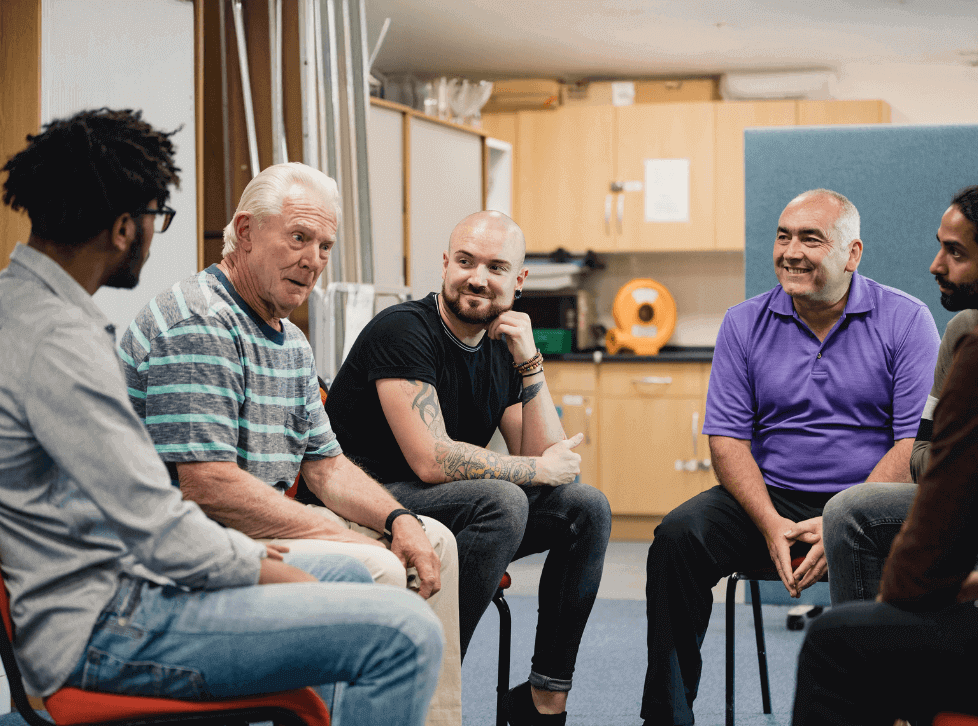
Specialized clinical care for stabilization and long-term healing, with therapies proven to support recovery from methamphetamine use.

Integrated, evidence-based treatment for alcohol use disorder — addressing medical complications and supporting sustained recovery.

Specialized clinical approaches addressing synthetic opioid dependence — built for the realities of today’s overdose crisis.

Comprehensive addiction and mental health treatment via secure, HIPAA-compliant telehealth — no geographic barriers, full clinical depth.

Flexible weekly therapy sessions to support long-term recovery while living at home.
Comprehensive addiction and mental health treatment via secure, HIPAA-compliant telehealth — no geographic barriers, full clinical depth.