
Meth causes pronounced neurobiological changes that require specialized, sustained treatment — not a quick fix. Our Virtual IOP for methamphetamine addiction delivers that sustained structure through secure telehealth, so the consistency recovery depends on doesn't get interrupted by transportation, distance, or unpredictable schedules. The brain heals with time and structure; this program is built to protect both.
Meth is a potent central nervous system stimulant that triggers intense euphoria, heightened energy and increased alertness through massive dopamine release within brain circuits. This is what makes the drug exceedingly addictive and capable of provoking lasting neurological damage. The National Institute on Drug Abuse (NIDA) has documented these effects extensively.
Dopaminergic system dysregulation. Meth floods synapses with dopamine at concentrations far higher than natural reward-related rates. This overpowering surge produces intense pleasure that drives compulsive use while simultaneously harming dopamine-producing neurons and receptor systems.
Neuroimaging research reveals that chronic methamphetamine use produces measurable reductions in dopamine transporter density and receptor availability that persist for months or years into abstinence. These alterations manifest clinically as anhedonia — an inability to experience pleasure from everyday activities — which creates powerful motivation to continue using.
The extended recovery timeline for dopaminergic system normalization calls for prolonged treatment engagement and support, as early abstinence periods involve particularly severe psychological distress when natural reward mechanisms remain profoundly impaired.
Potent CNS dopamine-flooding drug
Reduced pleasure persists months into recovery
Muscle aches, vomiting, anxiety and cravings
Evidence-based Matrix Model protocol
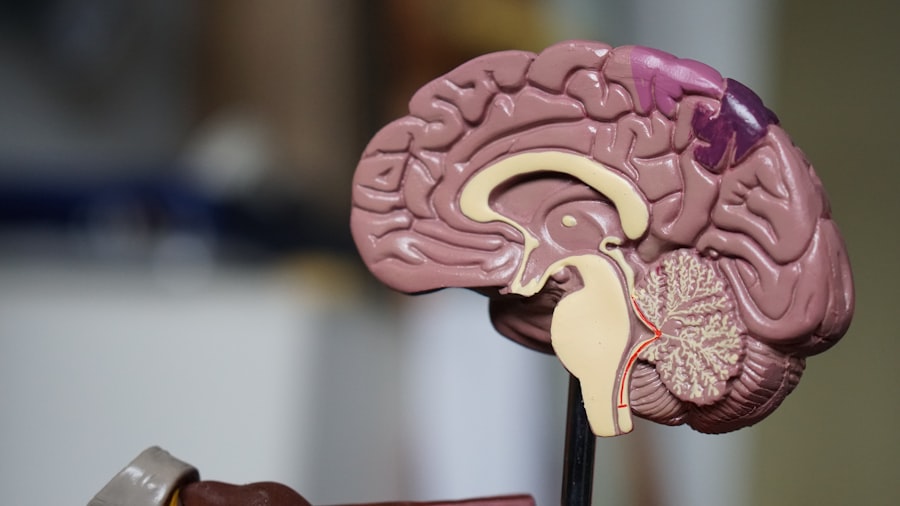
Beyond dopaminergic damage, meth produces direct neurotoxic effects on serotonergic systems and structural brain alterations visible through advanced imaging. Studies document gray matter reduction in regions governing memory, emotional regulation and decision-making.
These brain changes manifest as cognitive deficits including impaired memory formation, reduced processing speed, compromised executive functioning and difficulty with attention and impulse control. Such impairments complicate treatment engagement, as individuals struggle following therapeutic instructions, maintaining appointment schedules and implementing relapse prevention strategies that require intact cognitive capabilities.
Cardiovascular damage is a primary concern, with meth causing hypertension, tachycardia, arrhythmias and an increased risk of stroke and heart attack — even among young adults. Dental deterioration, often called “meth mouth”, results from reduced salivary flow, teeth grinding, poor hygiene and acidic environments that promote rapid decay.
Skin problems including sores and infections arise from compulsive picking behaviors and impaired wound healing. Weight loss and malnutrition develop as appetite suppression and preoccupation with drug use displace adequate nutrition. Sleep deprivation during binges prompts additional complications such as immune dysfunction and psychological destabilization.
Comprehensive meth addiction treatment requires medical evaluation to address these complications through dental referrals, cardiovascular assessments, nutritional rehabilitation and treatment of infection or other acute conditions.
Mental health disorders frequently co-occur with meth addiction. Depression, anxiety disorders and PTSD are prevalent among those who abuse the drug. Beyond this, meth can induce psychotic symptoms — including paranoid delusions and hallucinations — that persist beyond acute intoxication.
Distinguishing primary psychiatric conditions from substance-induced symptoms requires careful assessment, often demanding sustained periods of abstinence before accurate diagnosis becomes possible. Integrated treatment addressing both addiction and mental health issues simultaneously produces stronger outcomes than fragmented or sequential approaches.

The cognitive deficits meth produces require treatment adaptations to ensure accessibility and effectiveness despite neurological impairment.
Interventions should use concrete language that avoids abstract concepts, provide written materials that reinforce verbal instructions, incorporate repetition to facilitate information consolidation despite memory difficulties, and break complex tasks into manageable steps to accommodate executive function limitations.

CBT helps individuals identify triggers for use, develop coping strategies for managing cravings and modify thought patterns supporting continued consumption.
Research shows reductions in meth use and improved treatment retention compared with generalized counseling. The emphasis on practical skills addresses the real challenges of staying sober where meth is readily available.
This behavioral intervention provides tangible rewards for verified abstinence, typically through drug testing confirming meth-free status. Escalating incentives for consecutive negative tests leverage behavioral reinforcement principles.
Multiple randomized controlled trials demonstrate much higher abstinence rates than standard treatment alone — especially during the fragile early-recovery window.
Developed explicitly for stimulant use disorders, the Matrix Model integrates individual therapy, family education, drug testing, 12-step meeting participation and relapse prevention groups within a structured 16-week protocol.
Research illustrates marked reductions in methamphetamine use, improved retention and enhanced psychosocial functioning.
Many people enter treatment ambivalently — desiring abstinence but also pining for continued use. Motivational interviewing employs empathetic, collaborative techniques to explore that ambivalence and strengthen commitment to change.
Therapists help clients examine discrepancies between current behaviors and their values or goals, improving both engagement and outcomes.
The cognitive deficits meth produces require treatment adaptations to ensure accessibility and effectiveness despite neurological impairment.
Interventions should use concrete language that avoids abstract concepts, provide written materials that reinforce verbal instructions, incorporate repetition to facilitate information consolidation despite memory difficulties, and break complex tasks into manageable steps to accommodate executive function limitations.
Family therapy addresses these dynamics while educating relatives about the effects of meth and the protracted recovery process. Education helps families understand that the cognitive impairments and emotional difficulties during early recovery stem from neurological damage — not willful misbehavior or a lack of commitment.
Behavioral approaches teach families to reinforce sobriety through positive attention while allowing natural consequences for continued use — rather than inadvertently enabling patterns that support dysfunction. This balance is challenging but integral to creating environments that support recovery.
Mutual support groups including Narcotics Anonymous (NA) and Crystal Meth Anonymous (CMA) provide peer connections with others sharing similar experiences. Continuing care through ongoing outpatient therapy, periodic psychiatric monitoring and participation in recovery-oriented activities helps prevent relapse during vulnerable transitional phases.
"*" indicates required fields
We verify benefits with your insurance, usually within hours.
A licensed admissions team member calls back the same day.
We match you with the right level of care and a therapist.
At Colorado Behavioral Health we provide specialized treatment for meth addiction through outpatient programs at varying levels of intensity. This enables you to continue at home, work or school while getting the help you need.
Our clinical team understands the challenges of stimulant use disorders, delivering care that tackles cognitive impairments and psychiatric complications. We employ therapies including CBT, contingency management, motivational interviewing and integrated mental health treatment.
If you’re struggling with methamphetamine abuse, get immediate assistance and effective, compassionate treatment by contacting Colorado Behavioral Health or calling (866) 366-6178.
References:
National Institute on Drug Abuse. Methamphetamine Research Report. nida.nih.gov/research-topics/methamphetamine.
Substance Abuse and Mental Health Services Administration. samhsa.gov/substance-use/learn/risks.
If you or a loved one is ready to take the first step toward recovery, call (866) 366-6178 or complete our confidential contact form.