
Benzodiazepine dependence carries withdrawal risks that make unsupervised tapering dangerous, so consistent clinical oversight is non-negotiable. Our Virtual IOP for benzodiazepine addiction delivers that same level of medical monitoring and structured care through telehealth, keeping a person connected to their treatment team through every stage of discontinuation — without requiring them to be physically present for it to work.
Benzodiazepine addiction is a serious and growing concern, especially among individuals who begin using these medications to treat anxiety, insomnia, or seizure disorders. While benzodiazepines are commonly prescribed for legitimate medical reasons, they are also highly habit-forming.
Over time, repeated use can lead to a substance use disorder, with users becoming physically dependent and requiring higher doses to achieve the same effects. Benzo addiction not only affects the brain’s central nervous system but also severely impacts one’s physical and mental health.
When left untreated, benzodiazepine addiction can contribute to other mental health conditions, exacerbate addiction triggers, and increase the likelihood of misusing other drugs.
Calming neurotransmitter benzos amplify
Develops in days to weeks with regular use
Often paired with anxiety, PTSD or depression
Confidential admissions support
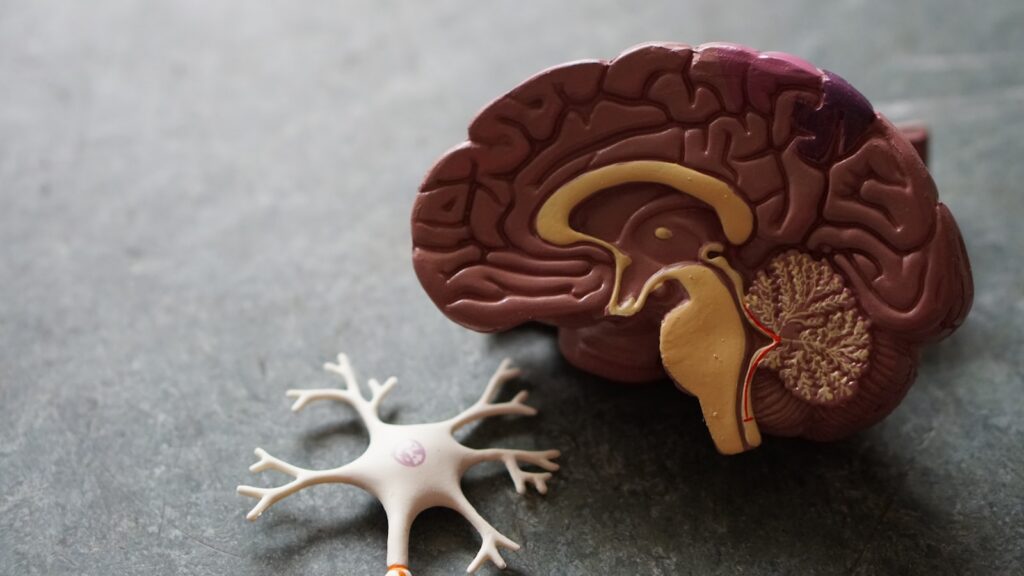
Benzodiazepines are addictive because of how they interact with the brain’s chemistry. These drugs act on the central nervous system, producing a calming effect by enhancing the activity of GABA, a neurotransmitter that slows down brain function.
While this makes them effective for short-term relief of anxiety or panic, regular use can lead to tolerance, physical dependence, and ultimately addiction. As tolerance builds, individuals often feel the need to take increased doses or take them more frequently, which significantly increases the risk of benzo addiction.
Misuse of benzodiazepines — whether taking them without a prescription, in higher doses, or in combination with other addictive substances — can result in chemical dependency and serious negative consequences.
Recognizing the signs of benzodiazepine use disorder is a critical step in seeking professional treatment. Common symptoms include drowsiness, confusion, memory problems, slowed breathing, and difficulty concentrating.
Individuals struggling with benzo abuse may also exhibit mood swings, isolation from loved ones, and an inability to function without the drug. Over time, those who misuse benzodiazepines often become physically dependent, experiencing withdrawal symptoms such as anxiety, insomnia, tremors, and even seizures when trying to stop.
Prolonged benzodiazepine abuse can lead to severe health risks and life-altering consequences. Long-term use increases the likelihood of physical and psychological dependence, cognitive impairment, memory loss, and emotional instability.
People who misuse benzodiazepines over extended periods often face an increased risk of overdose, especially when combined with other drugs like opioids or alcohol. Other negative outcomes include worsened mental health issues, poor decision-making, and deteriorating relationships.
For those with a history of trauma, mental illness, or other substance use disorders, continued benzo abuse can intensify these conditions. Without professional treatment, the cycle of benzo addiction can become deeply ingrained, making recovery more difficult and the long-term effects more damaging.

Benzodiazepine addiction can significantly worsen or contribute to the development of a mental health disorder. While these medications are often prescribed to treat anxiety, panic attacks, or insomnia, long-term misuse can have the opposite effect, intensifying symptoms and impairing emotional stability.
As tolerance builds and dependence develops, individuals may experience increased anxiety, depression, irritability, and mood swings when not using the drug. This cycle can make it difficult to distinguish between the symptoms of a mental health disorder and the effects of benzodiazepine addiction itself.
Additionally, those with pre-existing conditions like PTSD, bipolar disorder, or major depression are especially vulnerable to the destabilizing effects of benzo abuse. Treating both the addiction and any co-occurring conditions is essential for long-term healing and stability.

Many individuals require a medical detoxification process to safely manage benzo withdrawal. We place clients into reputable detox programs staffed by doctors and medical professionals who specialize in withdrawal management.
Under close medical supervision, clients are supported through the entire detox process, reducing the risk of complications such as seizures and severe anxiety.
For those needing a higher level of care, we coordinate placement into residential treatment programs that provide 24/7 support in a structured setting — ideal for clients with a long history of benzo abuse or co-occurring conditions.
Residential care lets clients fully immerse in therapy, behavioral therapies, and support groups that promote healing.
Our intensive outpatient program helps clients stable enough to live independently maintain progress through consistent therapy, relapse prevention education, and skill-building.
Ideal for those transitioning from higher levels of care or needing more flexibility while managing daily responsibilities.
PHP offers an intensive level of care for individuals transitioning from detox or residential treatment. Structured therapy and medical oversight happen during the day; clients return home or to supportive housing in the evening.
Includes group therapy, individual counseling, medication-assisted treatment (MAT), and other methods tailored to each client’s medical history.
Many people struggling with benzodiazepine addiction also face mental health disorders such as anxiety, depression, or PTSD. We specialize in dual diagnosis care that addresses both substance abuse and mental health challenges simultaneously.
Our integrated approach combines MAT, behavioral therapies, and tailored treatment plans developed by experienced professionals.
Standard outpatient services provide a lower level of care while still offering access to professional help, counseling, and support groups — ideal for mild substance use or continued recovery after higher levels of care.
OP includes therapy sessions, medication monitoring when needed, and continued engagement with experienced professionals.
Individual therapy sessions are a key component of addiction treatment at our rehab center, allowing clients to explore the root causes of their benzo addiction, identify triggers, and build healthier coping mechanisms. These one-on-one sessions are led by licensed therapists who specialize in substance use and co-occurring disorders. Clients also participate in group therapy sessions where shared experiences and peer support foster community and accountability. We also offer experiential therapies like art therapy to support emotional expression and healing.
Family members play an essential role in the recovery process. We integrate family involvement into our benzo addiction treatment programs through educational workshops, therapy sessions, and support resources. These offerings help families better understand drug addiction, how to set healthy boundaries, and how to support a loved one without enabling harmful behaviors. Family therapy also creates space for healing broken relationships and improving communication.
Sustaining recovery from benzo addiction requires more than completing a treatment program; it involves ongoing support and preparation for life beyond rehab. Clients work with clinicians to identify high-risk situations, develop personalized relapse prevention strategies, and establish a support network. Aftercare may include continued individual therapy, group therapy, alumni programs, and referrals to community-based resources — whether transitioning back home or into sober living.
"*" indicates required fields
We verify benefits with your insurance, usually within hours.
A licensed admissions team member calls back the same day.
We match you with the right level of care and a therapist.
Colorado Behavioral Health is a trusted treatment center dedicated to helping individuals overcome benzodiazepine addiction and rebuild their lives. Our team of experienced professionals understands how benzo addiction can impact every aspect of your mental, physical, and emotional well-being.
We provide compassionate, evidence-based care tailored to your specific needs — whether you’re facing benzodiazepine addiction alone or alongside other substance abuse or mental health challenges.
A plan built for your story, not a template.
MAT, CBT, DBT and clinically proven modalities.
Loved ones brought into the healing process.
Integrated care for addiction & mental health.
Common signs of benzodiazepine addiction include drowsiness, memory problems, confusion, mood swings, and needing increased doses to feel the same effects. Individuals may also become physically and mentally dependent and experience withdrawal symptoms like anxiety, insomnia, or seizures when trying to stop.
We offer partial hospitalization programs (PHP), intensive outpatient treatment (IOP), and standard outpatient recovery programs. Each treatment plan is customized to meet individual needs and may include therapy, support groups, and relapse prevention.
Our dual diagnosis approach addresses both benzodiazepine addiction and any dual diagnosis conditions, such as anxiety or depression. Clients receive integrated care that combines behavioral therapies, medication management, and support tailored to their medical history and recovery goals.
If you or a loved one is struggling with benzodiazepine addiction, now is the time to seek treatment. From managing withdrawal symptoms to addressing the root causes of substance abuse, our personalized approach empowers you to take control of your life. Contact Colorado Behavioral Health today and begin your path toward lasting recovery.
References:
Brett, J., & Murnion, B. (2015). Management of benzodiazepine misuse and dependence. Australian Prescriber, 38(5), 152–155. pmc.ncbi.nlm.nih.gov/articles/PMC4657308.
Cleveland Clinic. Benzodiazepines (Benzos): What They Are, Uses, Side Effects & Risks. my.clevelandclinic.org.
If you or a loved one is ready to take the first step toward recovery, call (866) 366-6178 or complete our confidential contact form.