
Alcohol use disorder is one of the most common substance use disorders in the country, yet stigma and scheduling keep most people from ever starting treatment. Our Virtual IOP for alcohol addiction removes that friction — structured, evidence-based care delivered over secure telehealth, so getting sober doesn't require explaining an absence to your employer or rearranging your entire week. The clinical program is the same; only the barrier to starting it is gone.
Of structured clinical care each week
Live, clinician-led sessions per week
Of people with AUD also have a serious mental illness
Alcohol use disorder (AUD) is the most common substance use disorder in the United States, yet most people with AUD never receive treatment — stigma, busy schedules, cost, and fear of what getting help might mean for work or family hold them back. AUD doesn't get better on its own. It's a chronic condition that changes how the brain works, and weekly therapy alone often isn't enough. Colorado Behavioral Health's virtual Intensive Outpatient Program delivers clinical-grade alcohol addiction treatment through a secure, HIPAA-compliant online platform — care that works around your schedule, not against it.
You don't have to hit rock bottom to qualify for help. If two or more of these apply, an honest conversation costs nothing.
Loss of control — drinking more than intended or unable to stop once you start
Increased tolerance — needing more alcohol to feel the same effect
Withdrawal symptoms like shaking, sweating, nausea, or insomnia when you cut back
Continuing to drink despite harm to health, relationships, work, or finances
Drinking to cope with anxiety, depression, or unresolved trauma
Alcohol use disorder is a medical condition, not a moral failing. It develops when regular alcohol use changes the way the brain regulates itself. Over time, drinking stops being a choice and starts feeling like a necessity. Clinicians diagnose AUD based on a set of behavioral and physical criteria. Mild AUD involves 2 or 3 of these criteria. Moderate alcoholism involves 4 or 5. Severe alcohol addiction involves 6 or more. Severity guides treatment decisions: which level of care is appropriate, whether medication might help, and how closely someone needs to be monitored during early recovery.

Alcohol use disorder, like all chronic conditions, needs treatment. Failing to engage in treatment may lead to:
Long-term heavy drinking damages the liver, heart, and nervous system. It raises the risk of liver disease, heart problems, and several types of cancer. Nutritional deficiencies from chronic drinking can cause serious neurological damage if left untreated.
Alcohol and mental health are closely linked. Around 37% of those with AUD have a serious mental illness. Alcohol may lift mood and reduce anxiety in the short term, but it worsens depression and anxiety over time.
Addiction affects everyone around the person struggling. Trust erodes, communication breaks down, and job performance suffers. The longer AUD goes untreated, the more these losses compound.
An IOP delivers 9 to 15 hours of structured clinical care each week — more support than weekly therapy without requiring you to live at a facility. Our Virtual IOP delivers the same programming online: live sessions, licensed clinicians, secure HIPAA-compliant video. All you need is a private space, reliable internet, and a device.
Around-the-clock supervision for people with complex medical or psychiatric needs.
Full-day programming, 5 to 6 hours daily, without overnight stays.
9 to 15 hours per week across 3 to 5 sessions. Structured, intensive, and flexible enough to accommodate work and family.
1 to 2 sessions per week — appropriate for mild presentations or as ongoing support after a higher level of care.
No one-size-fits-all protocols. Your treatment plan blends the modalities below based on what's actually driving your symptoms.
Live, clinician-led process groups, relapse-prevention groups, and skills-building sessions that build accountability and reduce the isolation that fuels addiction.
One-on-one sessions with a dedicated clinician to explore personal history, trauma, and emotional patterns that shape your relationship with alcohol.
CBT, DBT, Motivational Interviewing, and trauma-informed care — the most researched approaches for lasting recovery from AUD.
When clinically appropriate, FDA-approved options like naltrexone, acamprosate, or disulfiram are coordinated with your treatment plan to reduce cravings.
Reaching out is the hardest step. Once you do, we take it from there.
Comprehensive clinical assessment covering alcohol use, withdrawal risk, mental health, and life circumstances
Customized treatment plan with goals and scheduling tailored to you
3 to 5 live sessions per week combining group therapy, individual counseling, and skills training
Ongoing progress reviews so your clinical team can adjust what's working
Aftercare planning and a personalized relapse-prevention strategy before discharge
From urban centers to rural communities, virtual delivery removes geography as a barrier to quality treatment.
Morning and evening sessions mean most clients continue working full-time throughout the program.
No commute, no parking, no time lost to logistics. Sessions happen wherever you have privacy and an internet connection.
Practice recovery skills in the same environment where your drinking patterns developed — which makes them more transferable to real life.
Recovery isn't a single event. It's a process that unfolds across multiple levels of care, with each phase building on the last.
The first step for anyone with physical dependence on alcohol. Stopping abruptly can be dangerous. We coordinate with trusted detox partners before IOP begins.
24-hour structured care for people with severe AUD, complex psychiatric needs, or home environments that can't support early recovery.
Full-day programming that bridges the transition from residential care to the greater independence of IOP.
The core active treatment phase for most people with mild to moderate AUD. 9 to 15 weekly hours of structured telehealth programming.
Ongoing individual therapy and peer community involvement that sustain recovery long after the intensive treatment phase ends.
Recovery is possible. Alcohol addiction responds well to treatment, and the earlier you engage with structured care, the better the outcomes tend to be. Virtual IOP makes it easier to take that first step — no need to leave your job, no requirement to explain an absence. Just consistent, structured care from a licensed clinical team on a schedule that fits your life.
It's ideal for people stepping down from detox or residential care, individuals with mild to moderate AUD who need more than weekly therapy, and working professionals, parents, and students anywhere in Colorado who can't commit to full-day residential programming.
If you have significant physical dependence on alcohol, you'll likely need medically supervised detox before IOP — stopping abruptly can be dangerous. We assess this during intake and coordinate with trusted detox partners when needed.
Most PPO plans cover virtual IOP for alcohol addiction. Federal law requires insurers to cover mental health and substance use treatment at the same level as medical care. Our admissions team verifies your benefits directly with your insurer before treatment starts — no surprises.
Sessions are live and clinician-led — not pre-recorded — delivered via secure, HIPAA-compliant video. All you need is a private space, reliable internet, and a device. You practice recovery skills in the same environment where your drinking patterns developed, which makes them more transferable to real life.
A free, confidential consultation with a licensed clinician typically leads to a first session within 48 to 72 hours.
Share a few details and our admissions team will call you back with your benefits, coverage, and a no-obligation recommendation for next steps.
"*" indicates required fields
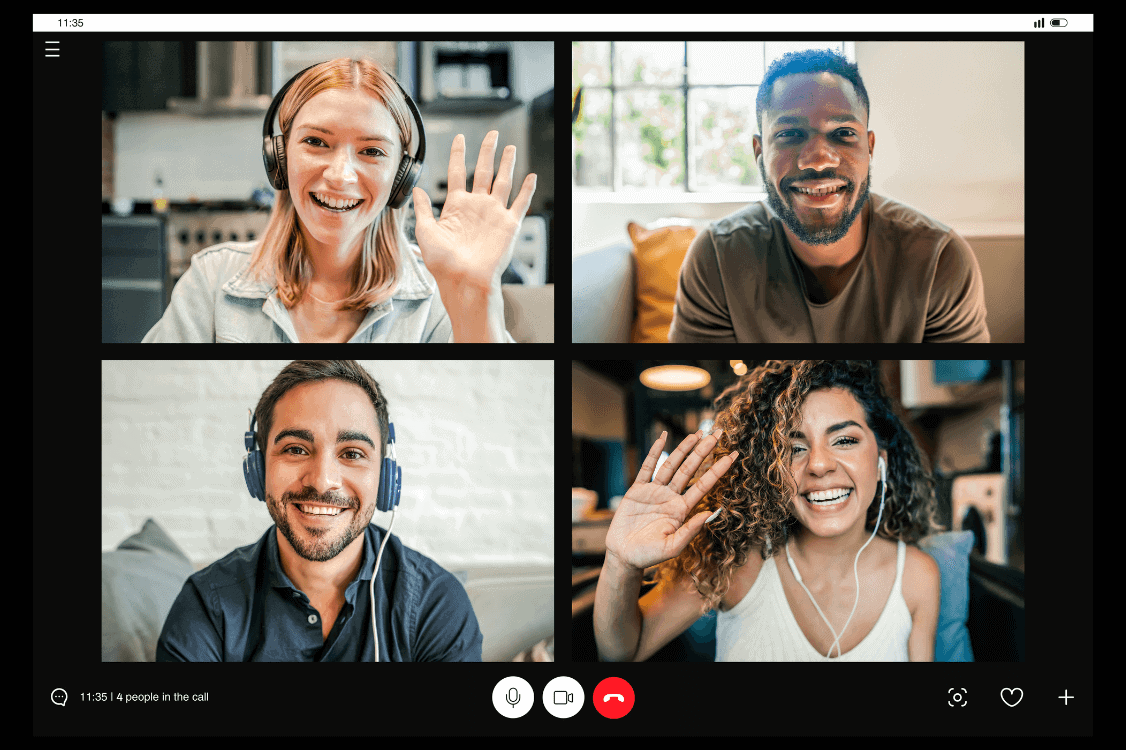
Comprehensive alcohol addiction treatment through a secure online platform — clinical-grade care that fits your schedule.

Discreet, flexible treatment built around demanding careers — structured care that fits a working week without disrupting your life.

Mood stabilization through medication, therapy, and structured support — helping individuals manage symptoms and maintain long-term stability.

Trauma-informed therapies help the brain process traumatic memories, regulate stress responses, and restore a sense of safety and emotional stability.

Multiple weekly therapy sessions through secure telehealth — evidence-based treatment while you live at home and stay connected.

Integrated, evidence-based treatment for alcohol use disorder — addressing medical complications and supporting sustained recovery.

Specialized clinical approaches addressing synthetic opioid dependence — built for the realities of today’s overdose crisis.

Comprehensive addiction and mental health treatment via secure, HIPAA-compliant telehealth — no geographic barriers, full clinical depth.

Flexible weekly therapy sessions to support long-term recovery while living at home.