
Cocaine addiction can escalate quickly, and the people caught in it often keep functioning outwardly while things fall apart underneath. Our Virtual IOP for cocaine addiction meets that reality directly — real, evidence-based treatment that fits into an existing job or family life rather than demanding someone pause it first. Recovery starts sooner when the program comes to them.
Cocaine is a powerful stimulant that affects the central nervous system and is known for producing short-term feelings of increased energy, euphoria, and confidence. However, regular use of cocaine can quickly lead to chemical dependency and addiction.
As cocaine addiction progresses, it negatively affects nearly every aspect of a person’s well-being — from physical and mental health to relationships and long-term goals. The Substance Abuse and Mental Health Services Administration (SAMHSA) recognizes cocaine dependency as a serious health concern, requiring appropriate interventions through qualified rehab centers to achieve lasting recovery.
Schedule II drug derived from the coca plant
Surges produce intense, short-lived euphoria
Heart attack & stroke even on first use
Confidential admissions support
Cocaine is a highly addictive, illegal stimulant drug derived from the coca plant. It is most commonly used in powdered or rock (crack) form and is often taken by snorting, smoking, or injecting. The drug increases dopamine levels in the brain, leading to intense but short-lived feelings of pleasure and increased energy.
Unfortunately, these effects come at a cost — repeated use of cocaine often leads to compulsive, addictive behavior and severe health consequences. Many people begin using cocaine to self-medicate underlying challenges such as anxiety or trauma, but it often escalates into a dangerous cycle of substance abuse and dependency.
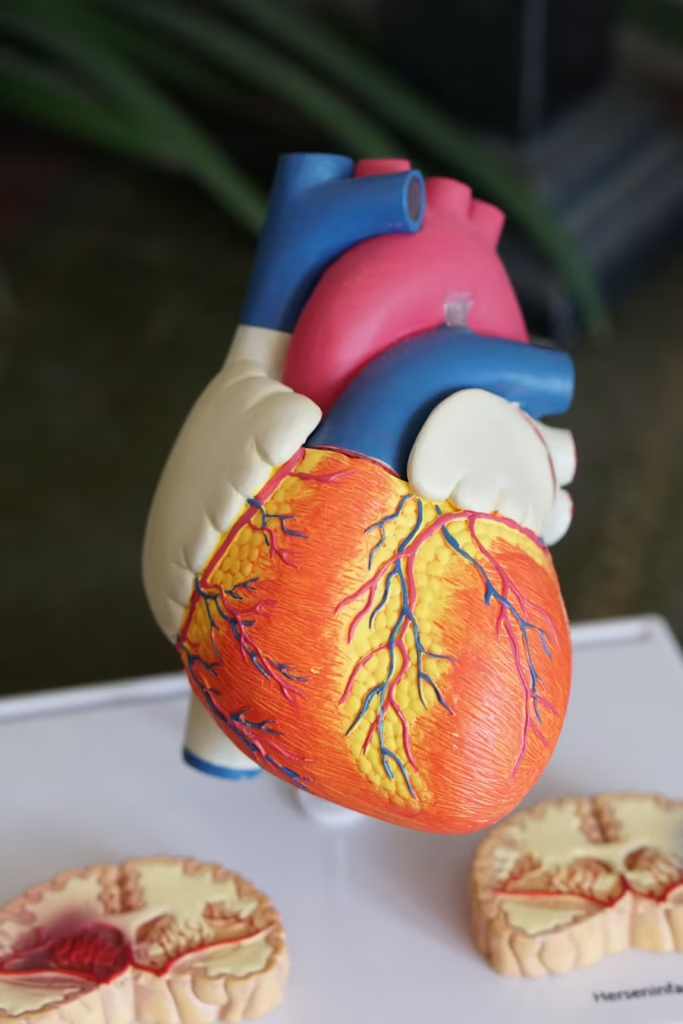
Recognizing the signs of cocaine addiction early can be vital in getting you or your loved one the help they need. Common symptoms include frequent bursts of hyperactivity, restlessness, irritability, and an increased need for stimulation. Physical signs may include nosebleeds (from snorting), weight loss, dilated pupils, and poor sleep patterns.
Individuals with cocaine use disorder may also experience paranoia, mood swings, and withdrawal symptoms when not using. As addiction progresses, relationships may deteriorate, work performance may decline, and they may turn to other drugs to cope with the aftermath of cocaine highs.
Using cocaine places immense stress on the body and mind. One of the most dangerous effects is its impact on the cardiovascular system, including an increased risk of heart attack, stroke, and dangerously increased blood pressure. Chronic use can also lead to long-term brain changes, emotional instability, and heightened susceptibility to mental health issues.
Using cocaine can compromise the immune system, damage vital organs, and increase the risk of overdose — especially when mixed with other drugs. Because of these serious health threats, it’s crucial to seek help from rehab centers that offer individualized cocaine addiction treatment and address both physical health and underlying issues.

Cocaine addiction treatment typically involves a structured, multi-phase approach designed to support individuals through each stage of the recovery process. Effective programs at professional treatment centers are grounded in evidence-based practices and delivered by a team of treatment professionals — including addiction specialists, medical directors, physician’s assistants, and skilled nursing staff.
Clients often receive personalized care, including medication management services when needed, to help manage withdrawal symptoms and reduce cravings. Comprehensive treatment addresses both the physical and psychological effects of cocaine addiction, as well as any co-occurring use of other substances, helping individuals build a strong foundation for long-term recovery.
Detox is often the first step for individuals struggling with severe cocaine abuse. Colorado does not offer cocaine detox on-site, but our team helps clients find trusted, medically supervised detox programs at reputable treatment centers.
During detox, clients may receive medication management services to ease symptoms. Once complete, we welcome them to continue recovery through our outpatient programming.
Residential treatment provides 24/7 care in a structured, live-in environment — often recommended for those with a history of severe cocaine addiction or co-occurring conditions. We coordinate placement with local treatment centers.
After residential treatment, clients transition into our outpatient programs to maintain progress and build a solid foundation for recovery.
PHP is a highly structured, intensive level of care ideal for those transitioning from inpatient rehab or needing daily clinical support without overnight stays. Clients attend programming five days a week.
Includes individual therapy, group sessions, and educational workshops focused on coping skills, relapse prevention, and addressing the negative effects of cocaine abuse.
Our intensive outpatient program provides effective treatment for cocaine addiction while allowing clients to keep up with home, work, or school responsibilities.
Clients receive ongoing support from a primary counselor, engage in peer support groups, and continue developing healthy routines.
Many individuals with cocaine addiction also face co-occurring mental health disorders such as depression, anxiety, or trauma. Our clinical team provides integrated, trauma-informed care.
By focusing on the root causes of substance use, we empower clients to overcome the cycle of addiction and mental health challenges.
Individual therapy sessions provide a private, focused environment where clients can explore personal challenges, behavioral patterns, and emotional triggers related to cocaine dependency. Using approaches such as cognitive behavioral therapy (CBT), therapists help clients identify negative thought patterns and build healthy coping strategies. One-on-one work also supports co-occurring disorder management and reinforces long-term recovery goals.
In supportive group therapy sessions, clients share experiences, learn from peers, and develop meaningful connections that reduce feelings of isolation. Group counseling fosters accountability and helps build communication and conflict resolution skills essential for sustained recovery. Topics often explored include relapse prevention, emotional regulation, stress management, and dealing with triggers within a compassionate, peer-supported environment.
Family involvement is critical in the recovery journey. Our cocaine addiction treatment center offers family therapy and structured family sessions designed to educate, heal, and rebuild trust. These sessions address the impact of cocaine addiction on family members and open the door to healthier communication, boundaries, and support systems. Family therapy is especially important when addressing co-occurring disorders and long-standing relational patterns.
"*" indicates required fields
We verify benefits with your insurance, usually within hours.
A licensed admissions team member calls back the same day.
We match you with the right level of care and a therapist.
Colorado Behavioral Health is a trusted provider of outpatient addiction treatment in Colorado. We offer a compassionate, evidence-based approach to recovery, delivering individualized care that addresses the physical, emotional, and psychological aspects of cocaine addiction.
A plan built for your story, not a template.
CBT, DBT and clinically proven modalities.
Loved ones brought into the healing process.
Integrated care for addiction & mental health.
If you or a loved one is struggling with cocaine addiction, now is the time to take the first step toward healing. Our programs offer the support and structure necessary to break free from addiction and rebuild a fulfilling life. Contact us today to learn more about cocaine abuse recovery.
References:
Substance Abuse and Mental Health Services Administration. Risks of substance use. samhsa.gov/substance-use/learn/risks.
Mayo Clinic (2022). Drug addiction (substance use disorder). mayoclinic.org.
If you or a loved one is ready to take the first step toward recovery, call (866) 366-6178 or complete our confidential contact form.