
Structured clinical time per week
Live 3-hour video sessions weekly
Typical program length
Colorado Behavioral Health’s Virtual IOP delivers comprehensive addiction and mental health treatment through secure, HIPAA-compliant telehealth — eliminating geographic and scheduling barriers while preserving the clinical rigor of in-person programming. You get the same structured curriculum, licensed clinical team, and supportive peer community as a top facility-based program, designed to fit alongside work, family, and the realities of modern life. Available statewide.
You don't have to hit rock bottom to qualify for help. If two or more of these apply, an honest conversation costs nothing.
Weekly outpatient therapy isn't enough on its own
You're stepping down from detox, residential, or PHP
Geography, work, or childcare blocks in-person treatment
You need intensive care while staying with your family
Substance use and mental health both need treatment
Social anxiety or trauma makes facility-based programs difficult
Telehealth has fundamentally changed behavioral health delivery, and the research is clear: peer-reviewed studies of telehealth for substance use disorders show no significant outcome differences between virtual and in-person IOPs across treatment retention, abstinence rates, therapeutic alliance, or long-term recovery. Format matters less than program quality, the strength of the therapeutic relationship, and the evidence base of the interventions.
For depression, anxiety, PTSD, and bipolar disorder, virtual therapy is equally effective as office-based care. The therapeutic relationship — the single strongest predictor of positive outcomes — develops just as well through video when clinicians are trained in virtual engagement. Virtual IOP is a legitimate, full-strength treatment option that expands access to people previously underserved by facility-based care.
Virtual IOP addresses the full spectrum of substance use disorders and mental health conditions that require this level of intensity.
Alcohol, opioid, stimulant, benzodiazepine, marijuana, and polysubstance use — supporting abstinence initiation, early recovery stabilization, and step-down from detox or residential care.
Major depression, generalized anxiety, panic disorder, and social anxiety treated with intensive evidence-based care when symptom severity exceeds what weekly therapy can address.
Trauma-focused interventions in a safer, familiar environment — often easier for survivors than institutional settings.
Coordinated psychiatric medication management and evidence-based psychotherapy to stabilize mood and build long-term management skills.
When substance use and mental health conditions present together — common in roughly 50% of severe cases — Virtual IOP integrates both into one coordinated treatment plan.
The virtual format itself becomes therapeutic — gradual exposure to group participation from a safe home base, building toward eventual in-person engagement.
Virtual IOP maintains the clinical intensity of traditional IOP while leveraging technology for real-life flexibility.
3 to 4 live video sessions per week, 3 hours each — 9 to 12 total treatment hours weekly.
Typically 8 to 12 weeks. Extended engagement is available for complex presentations involving severe addiction, trauma history, or multiple co-occurring conditions.
Sessions scheduled around work, school, and parenting — so you don't have to choose between treatment and your responsibilities.
Process-oriented discussions covering cravings, relationships, emotional regulation, trigger identification, and relapse prevention — facilitated by licensed therapists.
Weekly or bi-weekly private video sessions for personalized work, sensitive material, and individualized relapse prevention planning.
Practical CBT, DBT, mindfulness, and communication training applicable to the real-world challenges that arise between sessions.
No one-size-fits-all protocols. Your treatment plan blends the modalities below based on what's actually driving your symptoms.
Real-time screen sharing for thought records, cognitive restructuring, and behavioral activation — plus smartphone tracking of moods, urges, and patterns between sessions for better skill generalization.
Mindfulness, distress tolerance, emotional regulation, and interpersonal effectiveness — taught via video with live coaching, breakout-room practice, and digital handouts you keep.
Trauma-informed throughout, with EMDR and prolonged exposure available when clinically appropriate. Many trauma survivors feel safer processing from home than a clinical setting.
Process groups for emotion, relationships, craving management, and relapse prevention — paired with weekly or bi-weekly private 1:1 sessions for sensitive material.
Evidence-based content on addiction neurobiology, mental health mechanisms, and wellness practices — so you understand what's happening and what to do about it.
Seamless video appointments for buprenorphine, naltrexone, and other medication management — coordinated with concurrent behavioral programming.
Reaching out is the hardest step. Once you do, we take it from there.
Free, confidential assessment within 24 hours
Insurance verification — most major PPO plans covered
Technology orientation and personalized schedule design
3–4 live evening or weekend video sessions weekly, 3 hours each
Aftercare planning, alumni community, and crisis access after graduation
Distance from quality treatment facilities no longer prevents access — expert clinical care reaches anywhere with an internet connection.
No vehicle, DUI-related license suspension, mobility limitations, or limited public transit — none of these block treatment when sessions happen at home.
Evening and weekend programming preserves career continuity — most clients keep working full-time throughout treatment.
Sessions during naptime or after bedtime eliminate the childcare arrangements that prevent in-person program attendance.
Home-based participation reduces barriers — and sometimes the home environment itself feels safer than institutional settings.
HIPAA-compliant encrypted platforms, clinician training in telehealth ethics, and guidance on creating private space — including alternatives like parked vehicles or private offices when home isn't private enough.
We coordinate referrals to detox partners when physical dependence requires medical management before IOP begins.
Virtual IOP is a natural next step after inpatient or partial hospitalization — preserving structure while clients reintegrate into daily life.
The core 8–12 week program: structured group, individual therapy, skills training, psychiatry, and family support delivered weekly.
Step-down to weekly individual therapy as stability builds, with continued access to psychiatric medication management.
Alumni groups, ongoing peer connection, and crisis access after graduation — recovery doesn't end on discharge day.
Don’t let distance, transportation, or scheduling delay the treatment you deserve. Colorado Behavioral Health’s Virtual IOP delivers the clinical excellence and therapeutic depth of facility-based care through accessible telehealth — building a recovery community where you build skills, develop peer connections, and establish foundations for sustained wellness from wherever you are. Call (866) 366-6178 to learn how Virtual IOP can fit the realities of your life. Recovery is possible, and it’s accessible from anywhere in Colorado.
Adults who need more than weekly therapy but don't require 24/7 supervision — including step-down from residential, working professionals, parents, rural clients, and people whose social anxiety or trauma makes facility-based programs harder.
Yes. Multiple peer-reviewed studies show no significant outcome differences between virtual and in-person IOPs across retention, abstinence, therapeutic alliance, and long-term recovery. The therapeutic relationship develops equally well through video.
A smartphone, tablet, laptop, or desktop with camera and microphone, plus reliable internet. Our HIPAA-compliant platform works in standard web browsers — no complex install. We provide technical orientation and help with community resources if equipment is a barrier.
Encrypted, HIPAA-compliant platforms designed for healthcare; staff trained in telehealth ethics; and guidance on creating private space at home — or using alternatives like parked vehicles or private offices when needed.
Most major commercial PPO plans. The benefits check is free, confidential, and takes minutes.
Share a few details and our admissions team will call you back with your benefits, coverage, and a no-obligation recommendation for next steps.
"*" indicates required fields
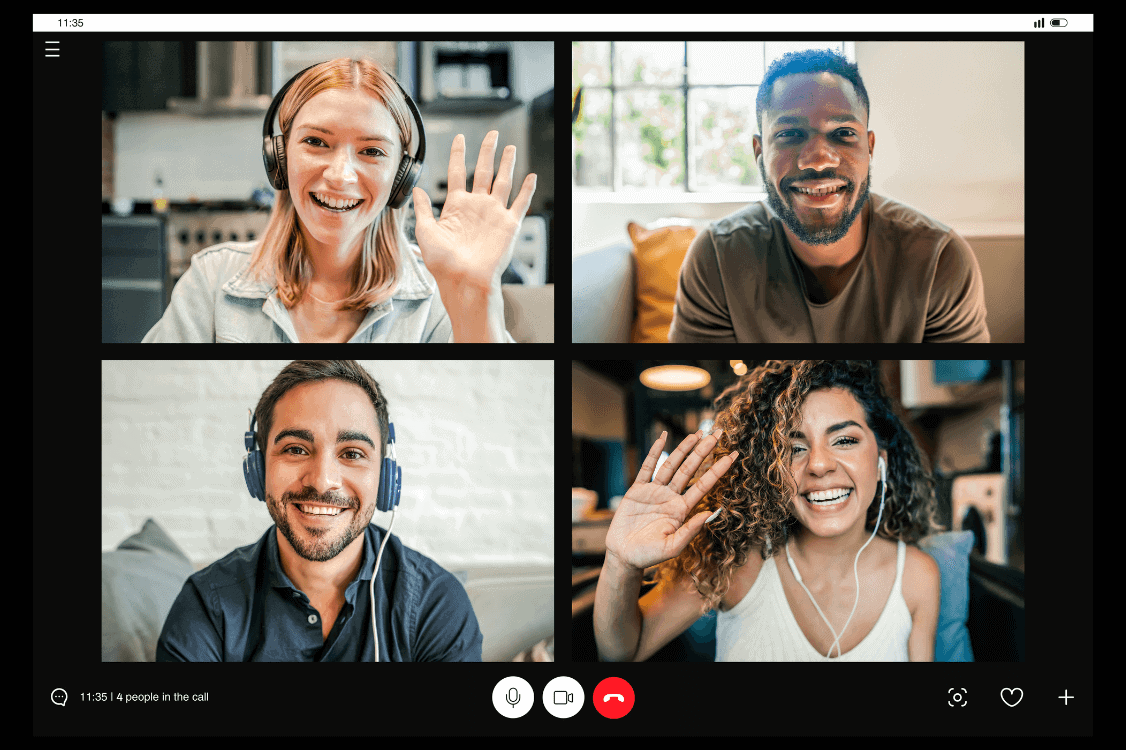
Comprehensive alcohol addiction treatment through a secure online platform — clinical-grade care that fits your schedule.

Discreet, flexible treatment built around demanding careers — structured care that fits a working week without disrupting your life.

Mood stabilization through medication, therapy, and structured support — helping individuals manage symptoms and maintain long-term stability.

Trauma-informed therapies help the brain process traumatic memories, regulate stress responses, and restore a sense of safety and emotional stability.

Multiple weekly therapy sessions through secure telehealth — evidence-based treatment while you live at home and stay connected.

Integrated, evidence-based treatment for alcohol use disorder — addressing medical complications and supporting sustained recovery.

Specialized clinical approaches addressing synthetic opioid dependence — built for the realities of today’s overdose crisis.
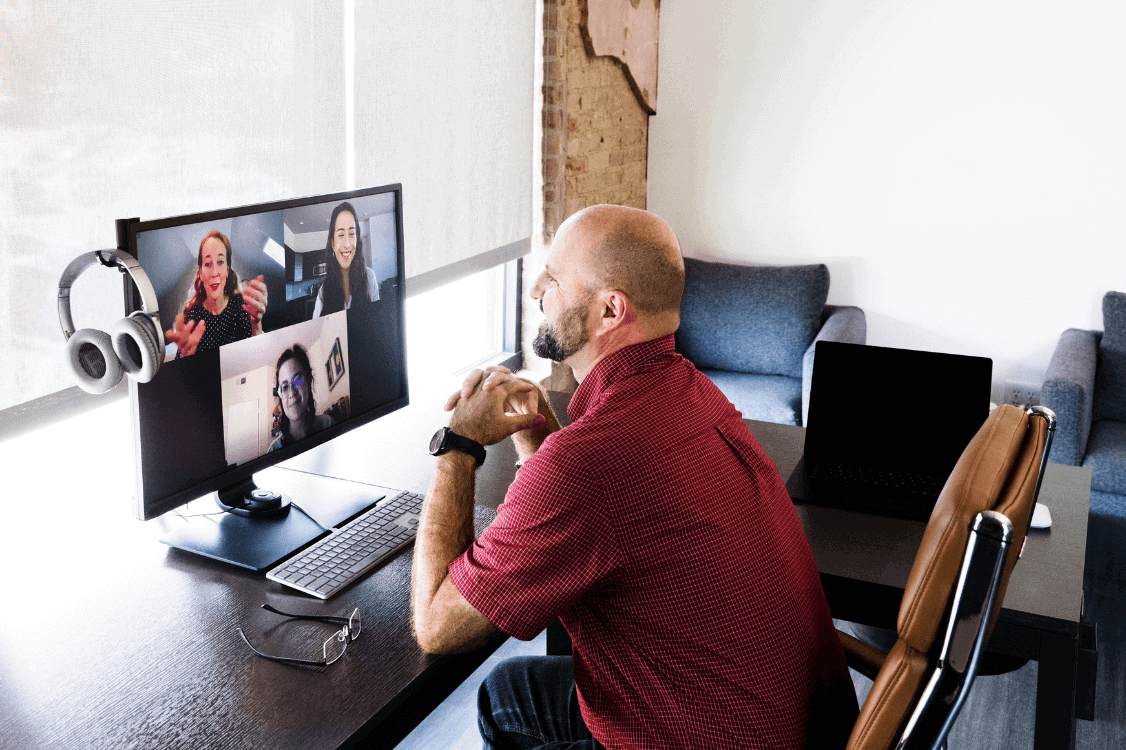
Comprehensive addiction and mental health treatment via secure, HIPAA-compliant telehealth — no geographic barriers, full clinical depth.

Flexible weekly therapy sessions to support long-term recovery while living at home.